Backyard Master Planning: Phasing a Project Over Several Seasons
Most backyards are not built in a single summer, and they should not be. Spreading a large project across several seasons keeps cash flow manageable and lets you live with each stage before committing to the next. The risk is that a phase built early blocks or damages a phase built later. A written master plan solves that by fixing the whole layout on paper first, then releasing it in an order that respects how sites are actually constructed.
Start with a base plan, not a wish list
Before you draw a single pergola or planting bed, document the site as it exists. Get a boundary survey if you do not already have one, mark utility routes, and record the existing grades and the direction water moves after a heavy rain. Drainage is the item most often ignored and the most expensive to fix once hardscape is down. University extension guidance on grading soil to slope away from structures and managing surface and roof water explains why standing water near a foundation causes chronic moisture problems. If your yard drains toward the house, that correction belongs in the base plan, ahead of everything decorative.
Locate utilities before any digging, every phase
Underground utility locating is not a one-time errand you complete in phase one and forget. Every phase that involves excavation, whether it is footings for a pergola, a trench for a gas line to a fire pit, or a fence post, requires a fresh locate. In the United States that means calling 811 or filing an online ticket, and in most states it is a legal obligation, not a courtesy. Washington's utility regulator describes the requirement to notify the one-call center a set number of business days before excavating and the penalties for hitting an unmarked line. Marks expire, so a locate you got in April is worthless for a dig in September. Build the call into the checklist for each phase.
Sequence by access and by dependency
Two rules drive the order of work. The first is access: anything that needs heavy equipment, a mini excavator, a skid steer, a concrete truck, or a boom for setting large timbers, goes early, while the yard is still open. Once a fence, a finished patio, or mature plantings are in place, getting equipment to the back of a lot becomes slow, expensive, or impossible, and you may have to demolish new work just to move a machine.
The second rule is dependency. Drainage and grading come before hardscape, because you cannot regrade under a patio you already poured. Hardscape comes before planting, because trenching, compaction, and material staging destroy new beds. Irrigation and low-voltage lighting sleeves should be run under paths and patios before they are surfaced, since retrofitting a conduit through finished concrete means cutting it. A useful ordering is: earthwork and drainage, then buried services and sleeving, then structures and hardscape, then soil building, then planting, then furnishing.
Stage the budget around retrofit cost
Phasing should follow money as well as construction logic. Spend early on the things that are painful and costly to add later, and defer the things that are easy to bolt on. Footings, drainage, buried conduit, and structural framing are retrofit nightmares; string lights, planters, and furniture are weekend additions. A sensible principle is to fund all the buried and structural work in the earliest phases you can afford, even if the visible payoff is small that season, and let the visible finishes ride in later phases when budget recovers.
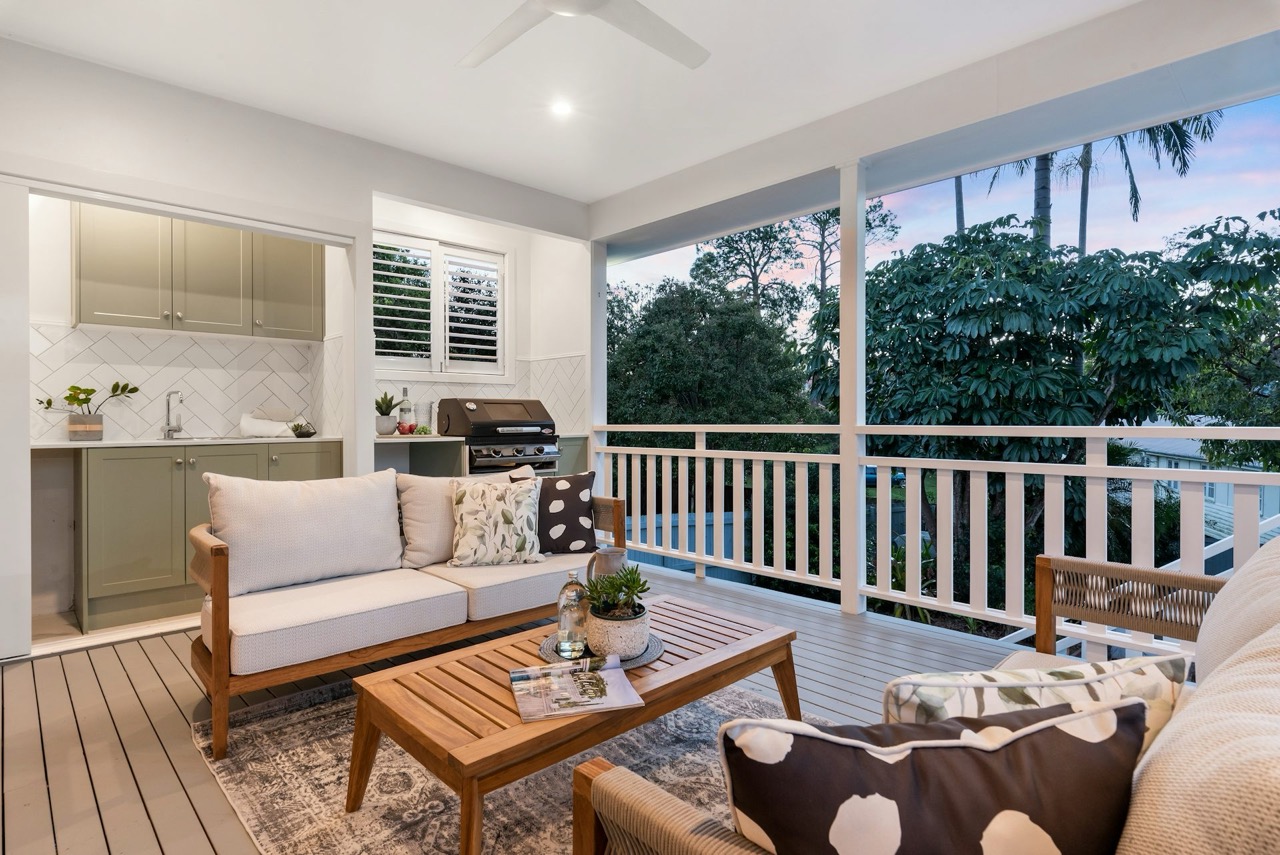
Leave documented stubs and provisions at phase boundaries. If phase four is an outdoor kitchen, run the water, gas sleeve, and electrical to a capped point during the hardscape phase and photograph it before it is buried. Keep the master plan drawing, the survey, and the locate tickets in one folder. When you return the next season, you will know exactly where the lines are and what the next move is, instead of guessing and digging blind.
Plan it with real numbers
Free calculators for mulch, soil, gravel, sod, seed, fertilizer, pavers, fencing, and watering. No signup, nothing collected.
Open the calculators